
The hidden effects of gambling on mental health understanding the psychological impacts
The Link Between Gambling and Mental Health Issues
Gambling is often viewed as a mere pastime, yet its implications on mental health are profound and multifaceted. Many individuals engage in gambling to escape stress or anxiety, believing it will bring about pleasure and excitement. However, the reality is that gambling can create a vicious cycle, where initial enjoyment quickly turns into obsession. This transformation can lead to heightened levels of anxiety, depression, and other mental health disorders, making the once-enticing activity a source of distress. Additionally, many players find themselves drawn to sites like Legion Bet Casino, which offer a plethora of games but can also lead to unintended consequences.

The psychological impact of gambling is often underestimated. Studies indicate that individuals with pre-existing mental health conditions, such as depression or anxiety disorders, may be more susceptible to developing gambling problems. The thrill of betting can temporarily mask emotional pain, but it ultimately exacerbates feelings of guilt and hopelessness. For many, this results in an unhealthy reliance on gambling as a coping mechanism, perpetuating a cycle of despair.
Furthermore, gambling can significantly disrupt one’s daily life, affecting relationships, work, and social interactions. As individuals become more absorbed in their betting habits, they may withdraw from supportive relationships, leading to loneliness and isolation. The social stigma surrounding gambling addiction can further complicate matters, discouraging individuals from seeking help and reinforcing feelings of shame and inadequacy. This dynamic underscores the urgent need for awareness and understanding of the mental health implications associated with gambling.
The Psychological Mechanics of Gambling Addiction
Understanding the psychological mechanics behind gambling addiction is essential for grasping its profound effects. The thrill of winning can trigger dopamine release in the brain, reinforcing the gambling behavior. This reward system can lead to repeated betting, even when the individual is aware of the potential negative consequences. Over time, this behavior can evolve into a compulsive need to gamble, overshadowing the ability to make rational decisions.
The concept of “chasing losses” is another critical factor in gambling addiction. Gamblers often believe they can recover lost money by continuing to bet, leading to an escalation of their gambling behavior. This mindset can lead to significant financial and emotional consequences, as individuals invest more and more in an attempt to regain control over their situation. The psychological distress that follows typically results in increased feelings of anxiety, which further fuels the compulsion to gamble.
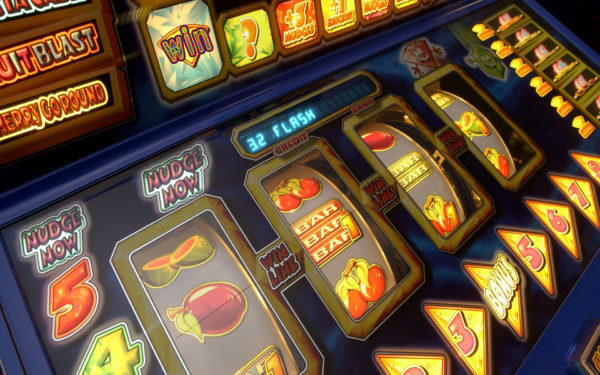
Moreover, the environment in which individuals gamble plays a crucial role in the development of addiction. Whether in a casino or through online platforms, the sensory stimuli—from bright lights to engaging sounds—can create an immersive experience that reinforces gambling behavior. This environment, coupled with social pressures and marketing tactics, can make it increasingly difficult for individuals to recognize the negative implications of their actions. Understanding these psychological mechanics is vital for prevention and treatment strategies.
The Impact on Relationships and Social Connections
Gambling not only affects the individual but also profoundly impacts their relationships with family and friends. The secrecy and shame often associated with gambling can lead to a breakdown of trust, causing rifts in relationships. Loved ones may feel deceived when gambling habits come to light, leading to feelings of betrayal and anger. This dynamic can create an environment of conflict and emotional turmoil, further exacerbating the mental health issues faced by the gambler.
Moreover, as gambling behaviors escalate, individuals may prioritize betting over meaningful relationships. This shift can lead to social isolation, where the gambler withdraws from family gatherings and friendships in favor of solitary betting activities. The absence of social support can worsen feelings of depression and anxiety, creating a feedback loop that makes it increasingly challenging to seek help or engage in healthy relationships.
Additionally, children in families affected by gambling may experience their own set of psychological effects. Exposure to gambling behaviors can normalize risky financial decisions and affect their own mental health. They may internalize feelings of instability and anxiety, leading to long-term implications in their own future relationships and financial habits. Recognizing these effects is crucial for addressing the broader impact of gambling addiction on families and communities.
Strategies for Coping and Recovery
Recovery from gambling addiction requires a multifaceted approach that addresses both the psychological and emotional aspects of the disorder. Cognitive-behavioral therapy (CBT) is a widely used method that helps individuals recognize harmful thoughts and behaviors associated with gambling. This therapeutic approach empowers individuals to develop healthier coping mechanisms and reframes their understanding of gambling as a risk rather than a solution to their problems.
Support groups play a crucial role in the recovery process. Connecting with others who have faced similar challenges can alleviate feelings of isolation and shame. These environments provide a safe space for individuals to share their experiences and learn from one another. Organizations focused on gambling addiction often facilitate these support groups, helping individuals feel understood and supported in their journey towards recovery.
Additionally, fostering a healthy lifestyle can significantly contribute to recovery. Engaging in regular physical activity, practicing mindfulness, and establishing a supportive social network can enhance emotional well-being. Individuals are encouraged to focus on building resilience and exploring alternative hobbies that provide joy without the risks associated with gambling. This holistic approach can significantly improve mental health outcomes and reduce the likelihood of relapse.
Understanding the Role of Online Gaming Platforms
Online gaming platforms, such as those offering sports betting and casino games, have become increasingly popular and accessible. While these platforms can offer entertainment and excitement, they also present unique challenges regarding mental health. The anonymity of online gambling can create an environment where individuals feel less accountable for their actions, potentially exacerbating gambling problems. The ease of access can lead to impulsive betting and a lack of reflection on the consequences.
Moreover, online platforms often utilize algorithms and promotional strategies designed to keep players engaged. These features can foster an environment that encourages prolonged gambling sessions, making it easier for individuals to lose track of time and money. The immersive nature of online betting can heighten the psychological impact of gambling addiction, leading to increased stress and emotional challenges for users.
Despite these challenges, online gaming platforms can also offer resources for responsible gambling. Many sites are beginning to implement features that promote awareness of gambling habits, including self-exclusion tools and limits on deposits. However, it is crucial for users to take advantage of these tools and remain vigilant about their gambling behaviors. Understanding the potential pitfalls while navigating online gaming is vital for maintaining mental well-being.