
The evolution of gambling tracing its historical roots across cultures
Ancient Beginnings of Gambling
The roots of gambling can be traced back thousands of years to ancient civilizations. Archaeological evidence suggests that as far back as 3000 BC, cultures such as the Chinese were using dice made from animal bones for games of chance. Similarly, in ancient Mesopotamia, clay tablets dating from around 2000 BC have been found that depict various forms of gambling. These early activities were likely intertwined with rituals and social interactions, highlighting the communal aspect of gambling. As people around the world began to explore varied forms of entertainment, platforms like Wettson emerged, expanding the landscape of choices available today.
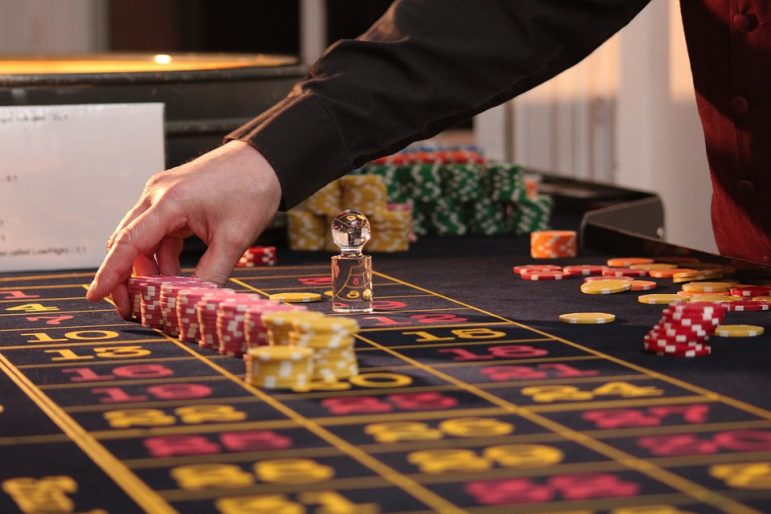
In ancient Egypt, gambling took on new forms, with the introduction of betting on the outcomes of games, sports events, and even military conflicts. The games played by the Pharaohs often involved a degree of skill as well as luck, reflecting a sophisticated understanding of probability and chance. This historical context demonstrates that gambling was not merely a pastime but a significant part of cultural identity, serving as entertainment and a means of social engagement.
Gambling in Classical Antiquity
The Greeks and Romans further evolved the concept of gambling, integrating it into their social fabric. The Greeks popularized games such as knucklebones and dice games, which were often played during festivals and gatherings. Gambling was seen not only as entertainment but also as a way to honor the gods, with bets placed in hope of divine favor. Meanwhile, the Romans took gambling to new heights, organizing elaborate betting games in arenas, particularly during gladiatorial contests.
In Rome, the development of gambling laws began, regulating the practice due to its potential for exploitation. The famous phrase “Alea iacta est,” meaning “the die is cast,” attributed to Julius Caesar, encapsulates the ethos of risk and reward that gambling represented in Roman culture. The legacy of this period laid the groundwork for modern gambling practices and societal attitudes toward chance-based activities.
Medieval and Renaissance Gambling
The Middle Ages saw a shift in gambling practices, with the rise of card games becoming prominent in Europe. Originating in China and spreading westward, playing cards became a favored pastime among the nobility. This period also witnessed the establishment of lotteries as a means for governments to raise funds. The first official lottery took place in the 15th century in France, highlighting gambling’s transformation into a state-controlled activity.
During the Renaissance, gambling flourished with the invention of new games and the standardization of rules. The development of modern poker, blackjack, and other games emerged during this time, with gambling houses becoming popular social venues. This era marked a significant evolution, as gambling transitioned from a casual activity to a more organized and commercially viable industry.
Gambling in the Modern Era
The 19th and 20th centuries brought radical changes to gambling with the advent of casinos and online betting. The establishment of Las Vegas as a gambling hub in the mid-20th century created a cultural phenomenon centered around gambling. As a result, the legalization of gambling in various forms, from horse racing to sports betting, expanded the industry’s reach globally.
In the digital age, online casinos revolutionized the way people engage in gambling. Platforms that offer a variety of games, including slots and live dealer options, have made it accessible to a broader audience. This evolution reflects societal shifts towards digital interactions, where players can gamble from the comfort of their homes, transcending geographical limitations.

Exploring Gaming with Wettson
Wettson stands out as a platform catering to players seeking a unique gaming experience beyond traditional regulations. With a diverse library of thousands of games, including slots, live tables, and innovative crash games, Wettson offers something for everyone, from beginners to seasoned gamblers. The site emphasizes transparency and user-friendly interfaces, ensuring an engaging experience for its users.
Moreover, Wettson provides a generous welcome bonus and a variety of payment options, including cryptocurrencies, appealing to those looking for flexibility in their gaming choices. As online gambling continues to evolve, platforms like Wettson are at the forefront, shaping the future of gaming in a way that reflects modern preferences and technological advancements.