
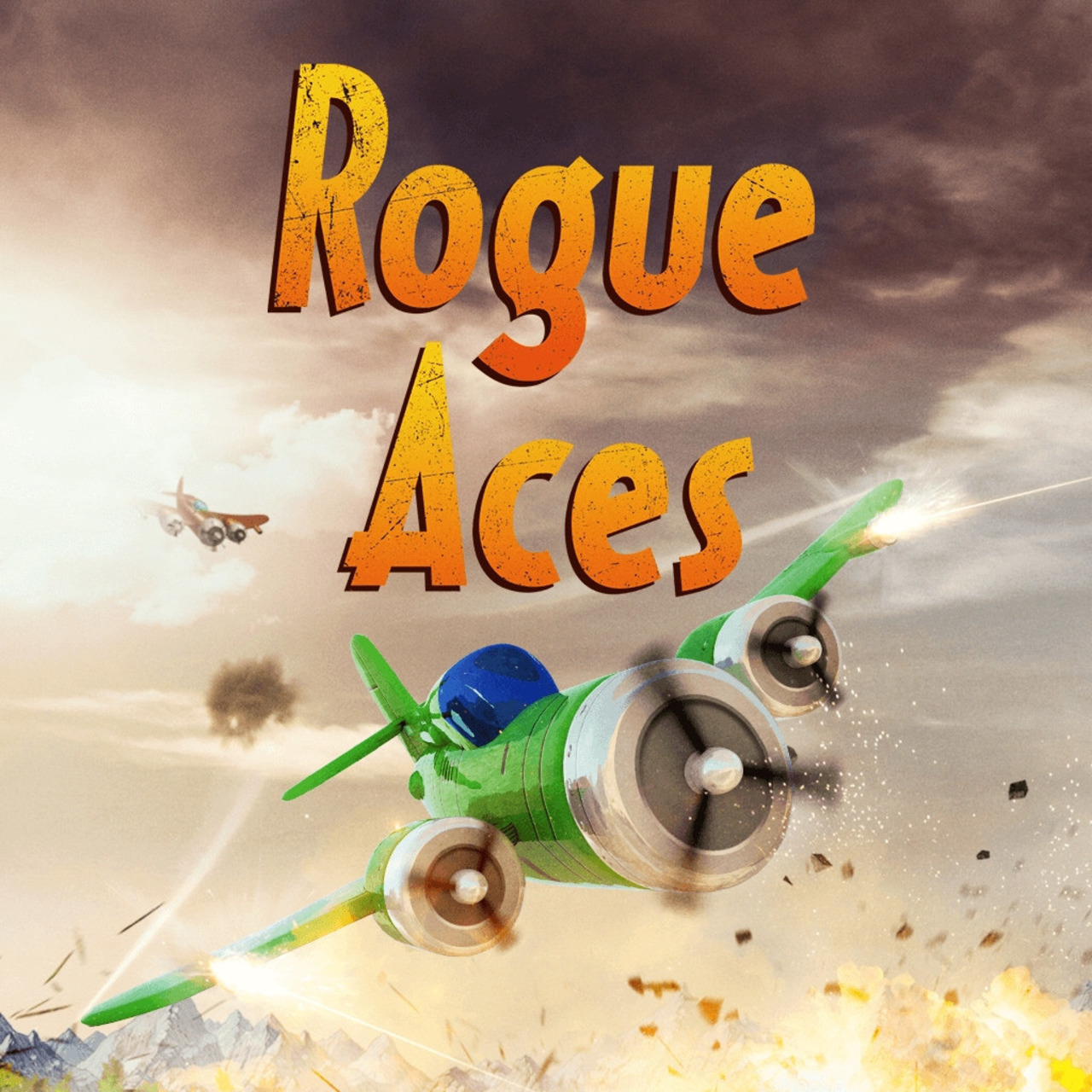
Prioritize familiarization with the controls; this will significantly enhance your performance. Spend time in the tutorial mode, as it lays the groundwork for understanding the mechanics and flight legends game nuances. Mastering the basics can save you from frustrations later in your escapades.
Engage with the community; forums and social media platforms are excellent for gaining insights from seasoned aviators. Discussions often reveal strategies and tricks that are not included in the official materials. Connecting with others helps you to learn quickly and feel part of a broader network.
Invest in upgrading your aircraft early on. Choosing the right enhancements can drastically impact your abilities in various missions and contests. Balancing your resources for upgrades will foster a smoother progression and keep you competitive.
Take time to explore the different flight modes available. Each mode offers unique challenges and rewards that can help refine your skills. Experimenting with various settings will not only enhance your playstyle but also keep the experience refreshing and fun.
Choosing the Right Aircraft for Beginners
Select a light aircraft, such as a Cessna 172 or a Piper PA-28. These models offer friendly handling and forgiving flight characteristics, perfect for those just starting out. Their simplicity aids in understanding fundamental flight principles without overwhelming complexity.
Consider the primary purpose of your flying. If you aim for scenic flights and leisure outings, choose a model known for stability. If you seek some adventure, you might want to try a light sport aircraft, which often features enhanced agility and responsiveness.
Research the flight controls and instrumentation of available options. Familiarity with easily interpretable gauges and user-friendly interfaces simplifies the learning process. Focus on models with clear layouts to avoid confusion during initial flights.
Pay attention to maintenance and operational costs. Some aircraft may look appealing but can strain your budget. Balance performance with affordability to ensure a sustainable flying experience.
Join a community of enthusiasts or a flying school. Engaging with experienced pilots reveals insights into various aircraft types and their handling characteristics. Networking can also lead to opportunities for flight training and ownership options.
Lastly, review online resources and forums for firsthand experiences. Learning from others’ insights on specific aircraft models will guide your choice. Being well-informed contributes significantly to selecting the right option suited to your flying aspirations.
Mastering Basic Flight Controls and Techniques
Utilize the joystick or controller’s left stick for precise directional control. This input directs both pitch and yaw, allowing you to maneuver through various terrains. Adjust sensitivity settings in the options menu to suit your play style, ensuring responsiveness without overshooting your target.
Throttle Management
Throttle is crucial for altitude control. Hold the throttle at half for steady climbs and descents. For takeoff, gradually increase to full throttle, maintaining balance to prevent stalling. During landings, decrease throttle as you approach the runway to achieve a smooth descent.
Understanding Aerodynamics
- Maintain a proper speed to avoid stalling during tight turns.
- Utilize flaps for increased lift during low-speed maneuvers.
- Apply rudder for coordinated turns, preventing skidding.
Practice ascending and descending by adjusting both throttle and pitch. Using a combination of these controls will assist in mastering vertical movement. Stalls occur from abrupt pitch changes; thus, approach climbs gradually for a stable flight experience.
Finally, familiarize yourself with your aircraft’s characteristics. Each model has unique flight dynamics. Use training missions to experiment with different aircraft, refining your control skills without the pressure of competition.